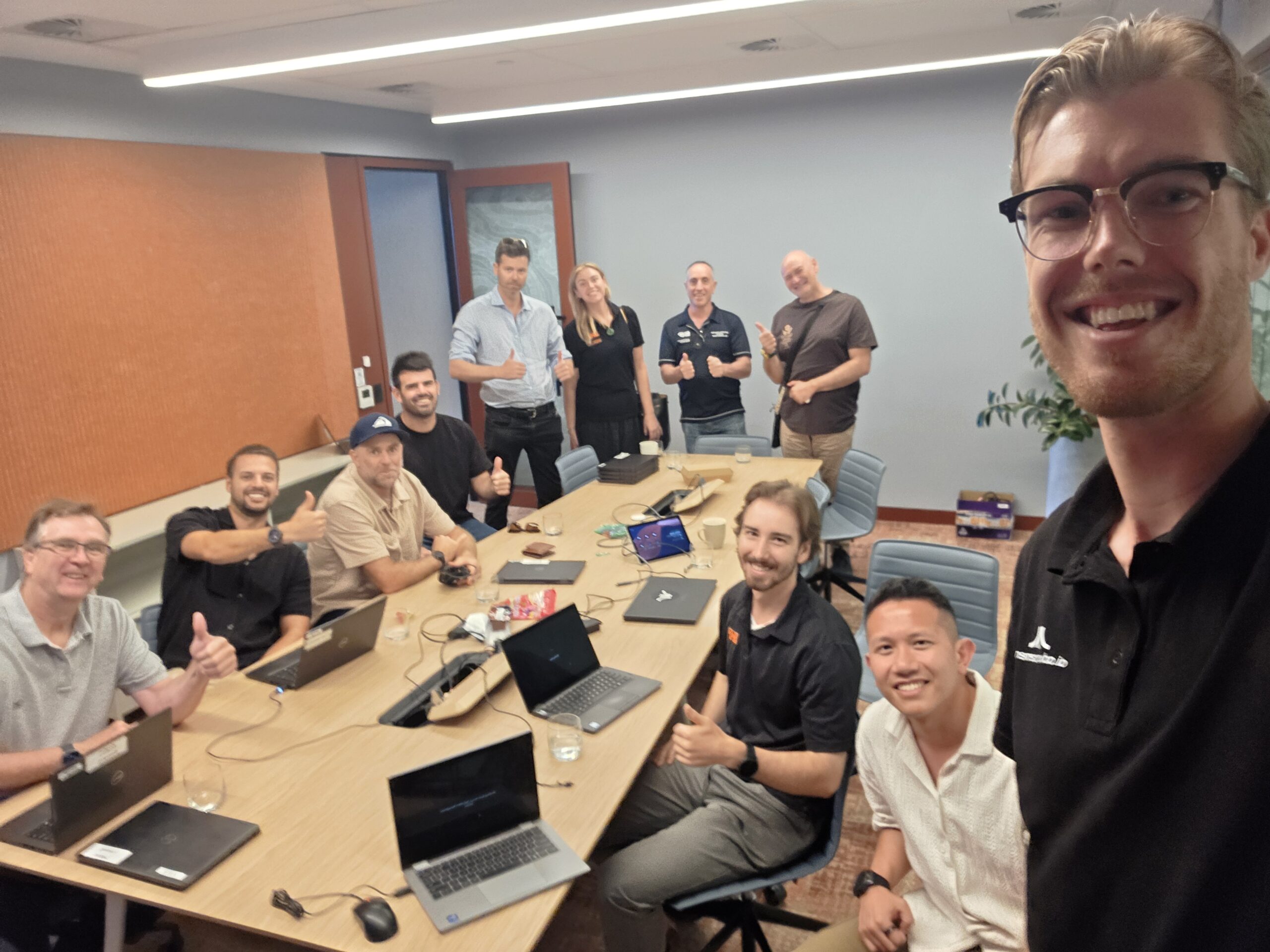
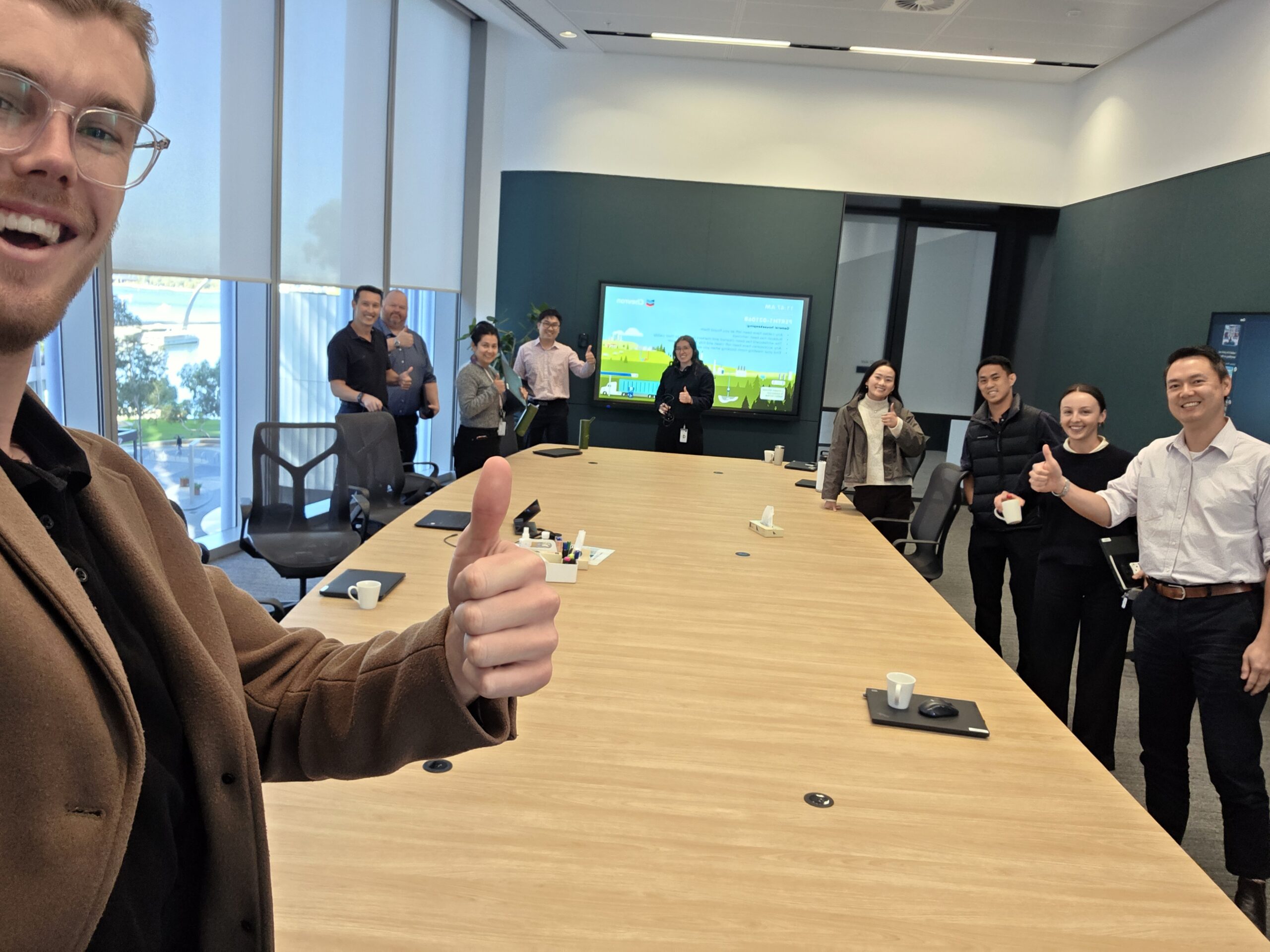
Chevron: Hands-On Copilot Training Built Around the Instrument Engineering Team’s Own Work
May 26, 2026
|
1 min read
Hands-on Copilot training built around Chevron’s own instrument specs and spreadsheets, not stock examples.


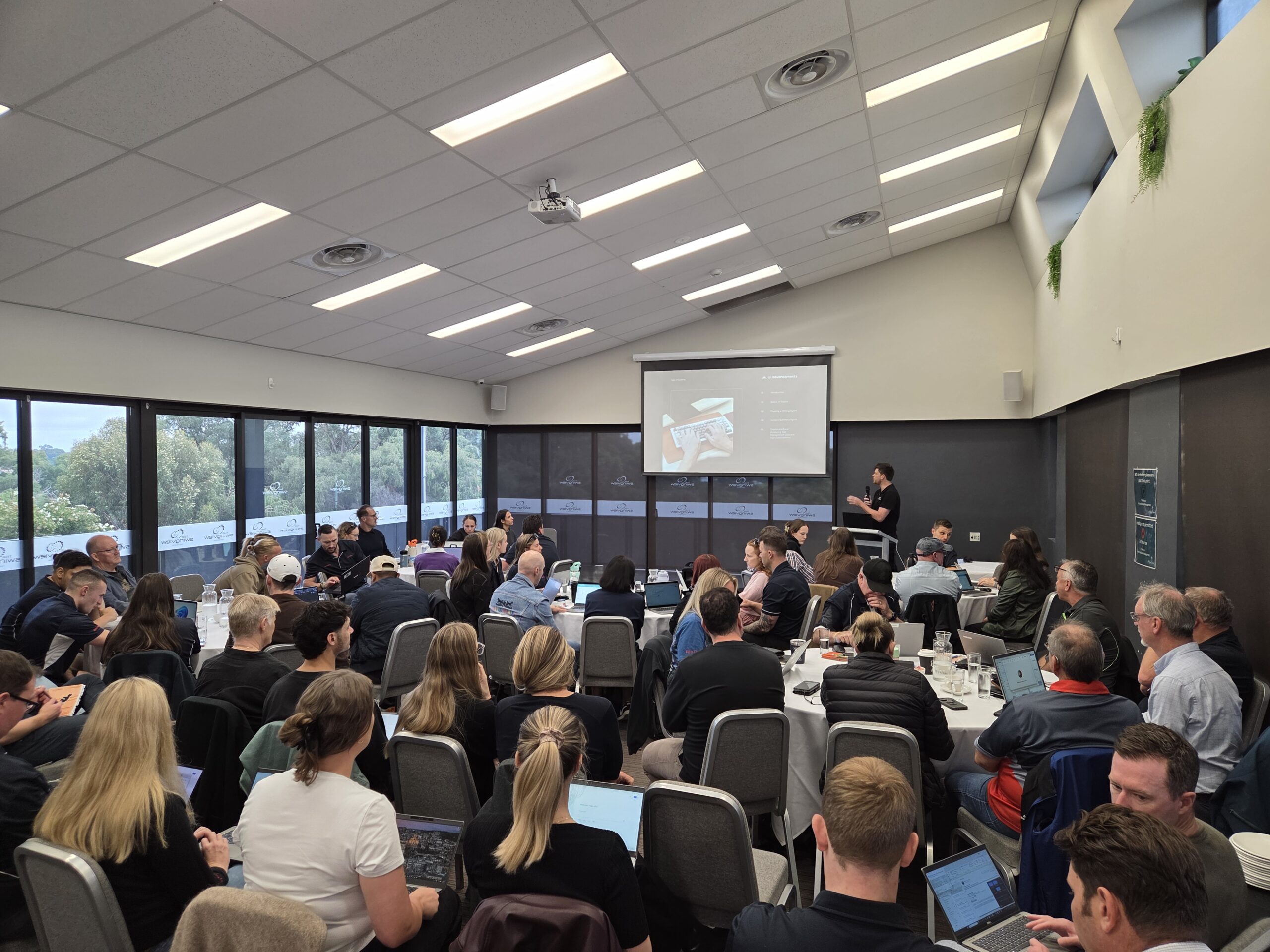
We designed and delivered an in-person AI for Leaders training workshop built specifically around the City of Canning’s operating environment and priorities.. The session covered AI capabilities in plain language, addressed risk and governance head on, and included structured use case mapping that produced around 15 concrete AI opportunities across the organisation. Leaders left with a common language, a prioritised starting point, and the confidence to progress AI conversations with their teams and external vendors.
Local government sits in a genuinely complex position when it comes to AI adoption. The pressure to modernise is real, community expectations around service delivery are shifting, and the efficiency case for AI is hard to ignore. But councils also carry significant responsibilities around data privacy, community trust, accountability, and risk management that make “just start experimenting” an insufficient answer. The City of Canning’s leadership had strong interest in AI but no shared, practical understanding of what modern AI capabilities actually looked like, how they applied to a council environment, or how to evaluate opportunities responsibly. They needed more than a technology briefing. They needed a structured way to build shared understanding and translate it directly into their own context.
We designed and delivered an in-person AI for Leaders workshop built specifically around the City of Canning’s operating environment and priorities. The session covered modern AI capabilities, Large Language Models, Generative AI, AI agents, and computer vision, explained in clear, non-technical language with practical local government examples across customer service, asset management, compliance, and internal operations. We addressed risk, ethics, and governance directly: how to think about data, privacy, accountability, and vendor engagement in a public-sector context where community trust is non-negotiable. The second half of the session was structured use case mapping. Working with the leadership team, we facilitated guided ideation activities that translated AI concepts into concrete opportunities relevant to City of Canning’s actual processes and challenges, developing around 15 use cases spanning AI agents and phone call assistants, report automation, chatbots, computer vision applications, and avatar-based services.
By the end of the session, City of Canning’s leadership team had a shared, realistic understanding of AI calibrated to the responsibilities and constraints of local government. The ~15 use cases produced during the workshop gave them a concrete, prioritised starting point, linked to real processes and challenges inside the organisation rather than abstract possibilities. Leaders came away with greater confidence to progress AI conversations with internal teams and external vendors, a practical foundation for an AI roadmap, and clarity on which ideas were ready to experiment with now versus which warranted longer-term planning.
| Industry | Local Government |
| Engagement Type | Executive AI training and use case workshop |
| Audience | City of Canning senior leadership team |
| Format | In-person workshop, AI education + structured use case mapping |
| Topics Covered | LLMs, Generative AI, AI agents, computer vision, risk, ethics, governance, vendor engagement |
| Output | ~15 prioritised AI use cases across the organisation + shared leadership capability |
If you’re considering AI but aren’t sure where to begin, get in touch.